
By Anna Bonelli
April 23. 2025
MANSFIELD, Conn.– — As thousands of animals enter shelters across the United States each year, many potential adopters say they’re being turned away by increasingly strict adoption policies.
Many organizations now require background checks, landlord references, home visits, and multi-hour interviews. This would include how and when they’ll provide exercise for their pet. They also ask who else would be around this pet and how they would train the pet.
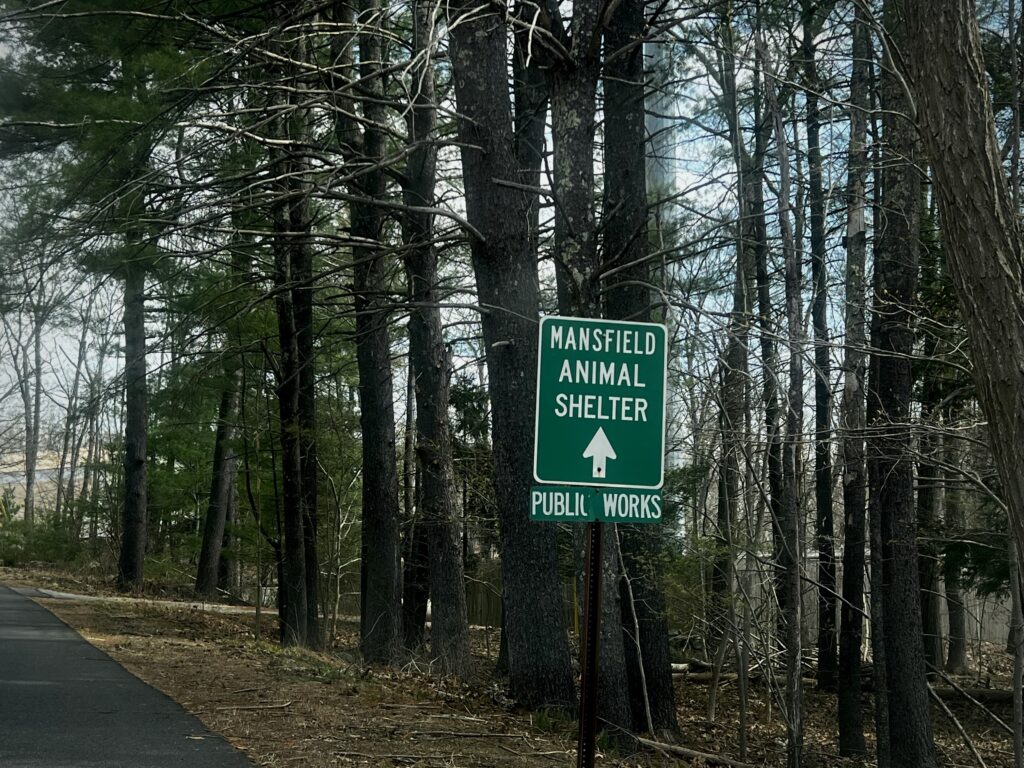
Many college students and young adults with professional careers are getting denied due to housing status and future plans.
Andrew Prackup, a senior English major at the University of Connecticut, shared his concerns with the adoption process.
“After graduation, one of my main hopes was to get a dog, but without an official plan of housing it has been hard to get anyone to look my way for adoption,” Prackup said. “I personally don’t understand it because I walk into shelters and there are so many animals and it seems overcrowded, but it’s still difficult to adopt and relatively expensive.”
This becomes an issue when shelters are enforcing stricter adoption policies, yet a similar number of animals coming into shelters. According to the American Society for the Prevention of Cruelty to Animals, approximately 920,000 animals from shelters are euthanized each year in the U.S., even with thousands of potential adopters being turned away by organizations with intense screening procedures.
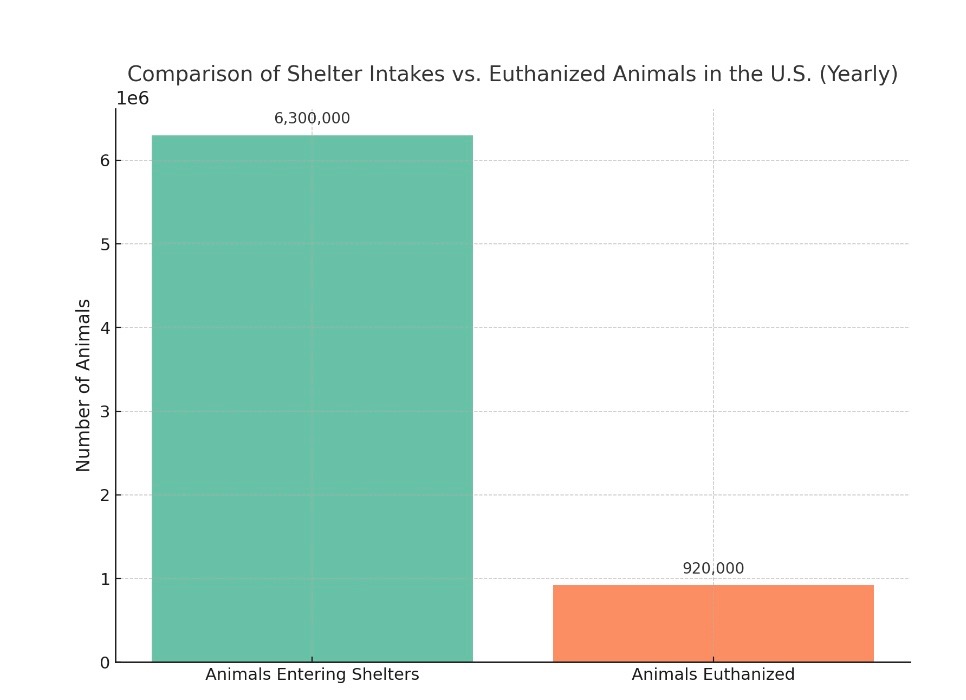
Bar Graph display of animals taken into shelters versus the animals that end up euthanized within the shelters. Source: ASPCA, 2024. Graphic by Anna Bonelli.
Rescue centers have blamed past negative experiences with adoption for why they have extreme requirements. Some shelters have faced bad publicity and even lawsuits after rehoming pets that later were neglected, returned, or abused.
Kacey Schassberger, a sophomore exercise science major at the University of Connecticut, argued that the policies can be too strict, having adopted two dogs herself.
“There is no such thing as a perfect adopter,” Schassberger said. “When shelters start requiring crazy things, it seems like they need you to be home all day while earning a six-figure salary.”
The Connecticut Humane Society, the state’s oldest animal welfare organization, is exploring flexible programs like trial adoptions and foster to adopt setups. This allows potential owners to test compatibility before committing.
While these strict adoption policies were designed with good intentions of protecting animals from neglect or abuse, this may be one of the things deterring qualified adopters. Some shelters argue that these policies are meant to ensure an animal’s wellbeing, but it can create a paradox as homes remain pet-less and shelters are overflowing with animals.
Noranne Nielsen has worked at Mansfield Animal Shelter as an animal control officer for 20 years and has seen how policies have changed over time.
“The policies are in place to keep the animals we rescue safe… How would you feel if someone adopted a dog then later surrendered it or worse, let it out on the street?” Nielsen said.
The well-meaning restrictions can alienate adoptees who are qualified. Many times, renters, young families, and busy professionals can be disqualified over concerns that are more hypothetical than realistic.
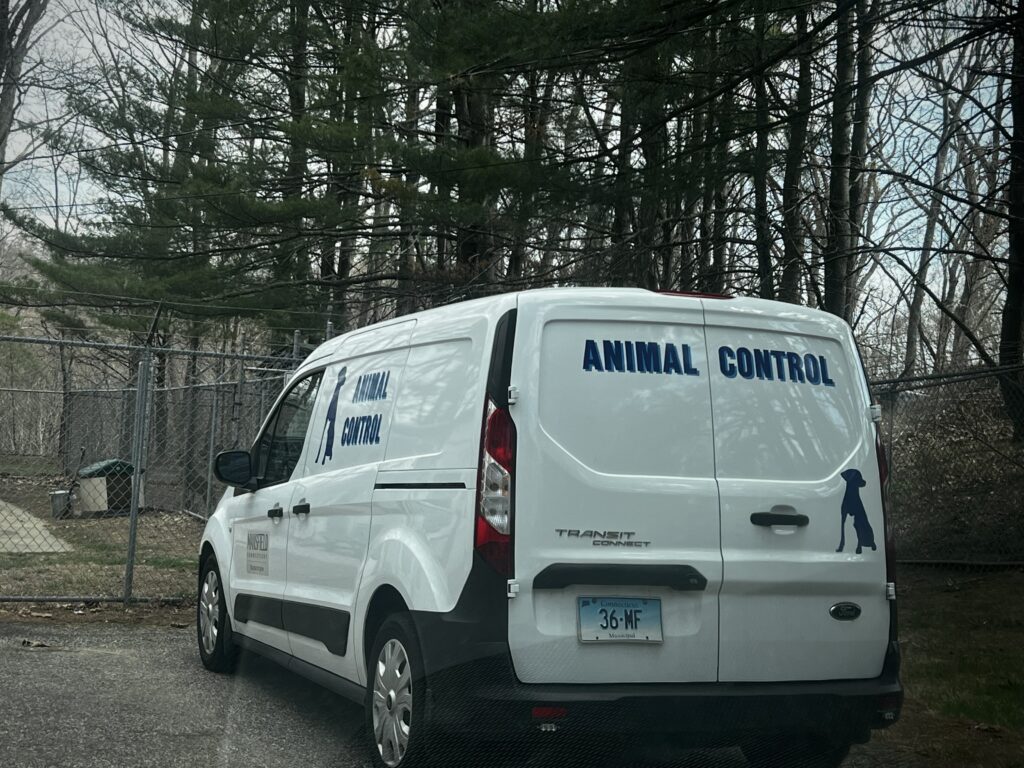
There have been cases at shelters like Mansfield Animal Control that have required more nuanced screening processes that can evaluate adopters on a case-by-case basis. Rather than dismissing someone who works full time or requiring large outdoor space, the shelter could assess how much daily exercise the dog would get and what arrangements are in place during the day for the pet while someone is working.
While adoption processes may be strict for certain groups, there are alternate programs like fostering that allow community members to still have an opportunity to raise a furry friend.
Jill Suchodolski, a junior business major at the University of Connecticut and the president of Canine Companions, offered an alternate solution for those looking to adopt that also gives back to the community.
“Canine Companions is always looking for people to foster our dogs. The more dogs we have trained, the better chance of getting them through the program,” Suchodolski said.
Canine Companions is a student organization with over 500 members at UConn. The organization began at UConn in September of 2023 raising service dog in training. It’s the largest national organization for service dogs and provides all service dogs free of charge to disabled veterans.
The UConn chapter plays a role in this process as students foster and socialize puppies during the early stages of training. Volunteers work closely with the dogs to teach them basic commands and prepare them for advanced training at regional Canine Companions centers.
For community members who may not be ready or able to adopt but still want to help animals and people in need, fostering with Canine Companions offers a purposeful alternative.
 Anna Bonelli's Portfolio